
ISRO Opens Aditya L1 Observation Opportunities For Researchers
Why in the News ?
The ISRO has announced the second Announcement of Opportunity (AO) for its Aditya-L1 mission, inviting proposals from Indian researchers to utilise observation time, marking a significant step in expanding solar research collaboration and scientific utilisation of mission data. ISRO’s space facilities operate under strict environmental clearances, including compliance with the Forest Conservation Act for launch sites and adherence to environmental impact assessment protocols, avoiding any post facto or retrospective environmental clearances as highlighted in the Vanashakti judgment.
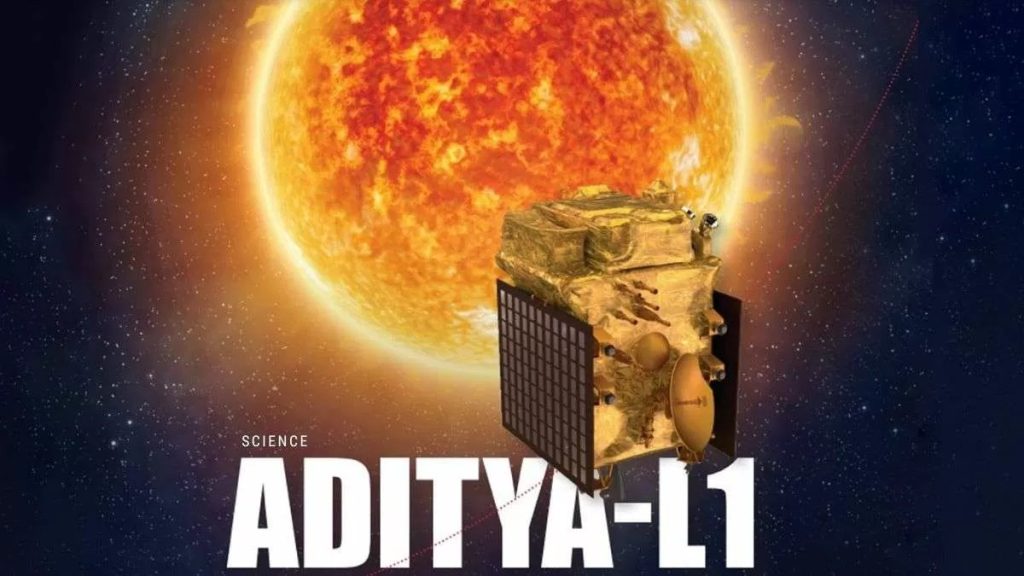
Key Highlights of ISRO’s Announcement:
● ISRO has invited proposals from the Indian solar physics community for observation time on Aditya-L1.
● This is the second Announcement of Opportunity (AO) under the mission.
● Researchers can access instruments like Visible Emission Line Coronagraph (VELC) and Solar Ultraviolet Imaging Telescope (SUIT).
● Proposals must be submitted via the Aditya-L1 Proposal Processing System (ALPPS) hosted at ISSDC.
● Selected observations will be conducted between July–September 2026, with a deadline of April 30, 2026.
Significance for Scientific Research
● Promotes collaborative research by allowing scientists to utilise real-time space-based solar data.
● Over 27 TB of mission data already released, supporting global scientific publications.
● Enhances India’s capabilities in solar physics, space weather prediction, and astrophysics.
● Encourages academic participation and strengthens India’s space science ecosystem, promoting environmental democracy in scientific research access.
● Positions India as a contributor to global solar observation efforts.
| About Aditya-L1 Mission:● Aditya-L1 is India’s first dedicated solar mission, launched by PSLV-C57.● Positioned at Sun-Earth L1 Lagrange Point (~1.5 million km from Earth) for uninterrupted solar observation.● Studies solar corona, solar winds, flares, and space weather phenomena.● Key payloads:○ VELC – studies solar corona dynamics○ SUIT – captures ultraviolet images of the Sun● Importance: Helps in understanding space weather impacts on satellites, communication, and power grids.● Managed by ISRO with data hosted at Indian Space Science Data Centre (ISSDC). |