
Telangana Survey Reveals Deep Structural Caste Inequality Patterns
Why in the News ?
The Telangana SEEEPC Survey 2024 highlights that caste-based inequality remains deeply entrenched despite economic growth, showing that SC/ST households face significantly higher multidimensional deprivation, challenging reliance on income-based measures for policy targeting.
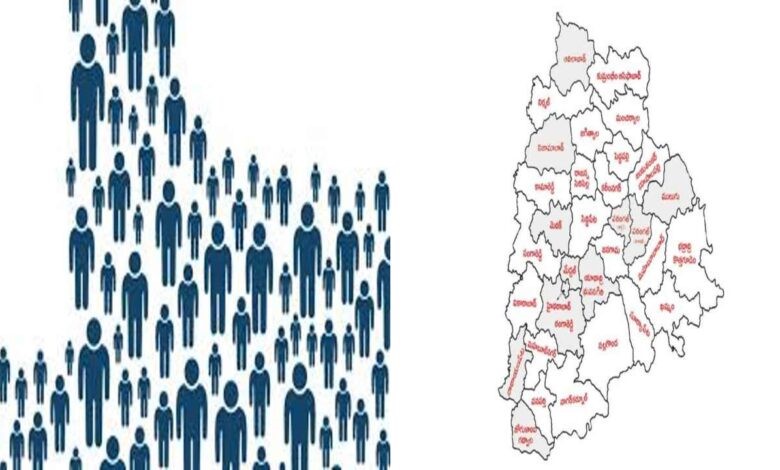
Key Findings of Telangana Caste Survey:
● Massive Data Exercise: Survey covered 97% population (~3.5 crore people) using a Composite Backwardness Index (CBI).
● Sharp Inequality: SC households scored ~96, while General Castes scored ~31, showing 3x higher deprivation.
● Majority Backward: About 67% population (135 castes) scored above state average backwardness.
● Heterogeneity: Backward Classes are not uniform—some groups are highly deprived, others relatively better off.
● Structural Lock-in: Inequality is systemic and persistent, not merely income-related.
Dimensions of Inequality and Policy Implications
● Urban-Rural Divide: Urbanisation improves outcomes, but SC/ST remain concentrated in informal settlements.
● Educational Gap: ST communities face higher educational backwardness due to geographic and cultural barriers.
● Growth vs Equity: Economic growth has not reduced caste inequality, showing parallel tracks.
● Policy Failure: Income-based targeting insufficient; fails to capture social exclusion.
● Key Recommendation: Strengthening quality public education, especially in SC/ST-dominated areas.
| About Caste Inequality & Social Justice : ● Multidimensional Inequality: Includes education, occupation, housing, assets, and social exclusion. ● Constitutional Provisions: ○ Articles 15 & 16: Enable affirmative action and reservations. ● Policy Tools: Reservations, targeted welfare schemes, and educational interventions. ● Limitations of Income Approach: Ignores social discrimination and structural barriers. ● Way Forward: ○ Caste-sensitive policies ○ Focus on quality education, social integration, and targeted support |