
UNIVERSAL PNEUMOCOCCAL VACCINE MAY TRANSFORM DISEASE PREVENTION
Why in the News ?
Scientists have developed an experimental protein-based pneumococcal vaccine using reverse vaccinology, showing broad protection against multiple Streptococcus pneumoniae serotypes in mice. The research marks an early step towards a universal vaccine against pneumonia, meningitis and other pneumococcal diseases.
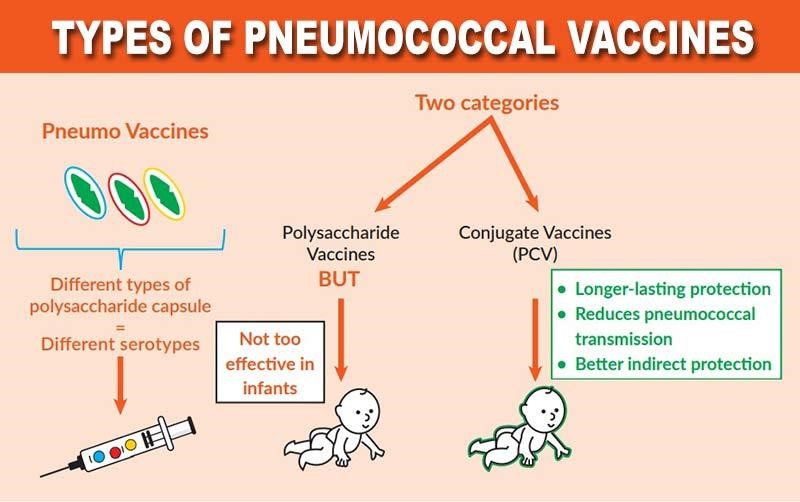
Pneumococcal Disease and Need for Universal Vaccine
● Disease-causing bacterium: Streptococcus pneumoniae normally colonises the nose and throat, but weakened immunity can allow it to cause pneumonia, meningitis and sepsis.
● Serotype diversity: The bacterium exists in around 100 serotypes, each possessing distinctive capsular polysaccharides that determine the specificity of existing vaccines.
● Existing vaccines: Pneumococcal conjugate vaccines (PCVs) use capsular polysaccharides linked to carrier proteins, while polysaccharide vaccines such as Pneumovax 23 provide broader but relatively short-lived protection.
● Serotype replacement: Eliminating vaccine-targeted serotypes can allow non-vaccine serotypes to occupy the ecological niche, potentially reducing long-term vaccine effectiveness.
● Antibiotic resistance: Non-vaccine serotypes may harbour or acquire antibiotic-resistance genes, increasing the risk of difficult-to-treat pneumococcal infections.
Experimental Results and Remaining Challenges
● Mouse protection: Vaccinated mice showed 80–100% survival after exposure to a lethal dose of serotype 1, compared with complete mortality among unvaccinated mice.
● Broad response: The vaccine fully protected mice against serotypes 11A and 33F and provided partial protection against serotype 8, demonstrating cross-serotype potential.
● Comparable efficacy: Protection against severe disease was broadly comparable to PCV13 in the experimental model.
● Transmission concern: Despite preventing severe infection, the vaccine did not significantly reduce bacterial presence in the upper respiratory tract, meaning vaccinated animals could potentially continue transmitting bacteria.
● Preliminary stage: The findings remain preclinical, covering only four serotypes in mice; therefore, effectiveness, safety and durability in humans require extensive further research.
About Reverse Vaccinology and Vaccine Science:
● Genome-based approach: Reverse vaccinology begins with the pathogen’s genome to identify proteins that could serve as vaccine targets rather than relying primarily on conventional pathogen cultivation.
● COVID-19 example: Genome sequencing of SARS-CoV-2 enabled rapid identification of the spike protein, facilitating vaccine development during the pandemic.
● Protein candidates: Researchers identified three conserved proteins—Zinc metalloprotease B (Z), Pneumococcal adherence virulence factor A (P), and YfhO-like protein (Y).
● Vaccine formulation: The experimental ZPY-CpG-Ch formulation combined these proteins with CpG synthetic DNA and chitosan, which function as immune-response enhancers.
● Immune principle: Effective vaccine antigens should ideally be surface-accessible, sufficiently different from human proteins and capable of inducing strong and durable immunity.