
WHO FLAGS HIGH EBOLA RISK IN DRC
Why in the News?
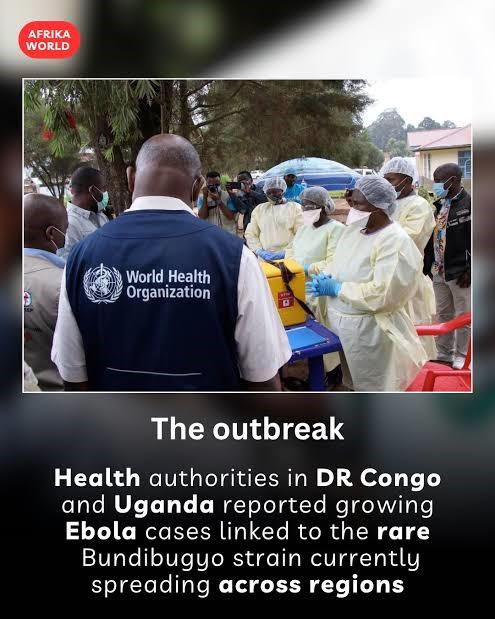
● WHO Assessment: World Health Organization assessed the Ebola outbreak risk in the Democratic Republic of Congo as high at national and regional levels.
● Rising Cases: The outbreak has reported 51 confirmed cases along with hundreds of suspected infections and deaths.
● Emergency Status: WHO clarified that the outbreak currently does not meet the threshold for a global pandemic emergency.
KEY DETAILS OF THE OUTBREAK
● Affected Region: The outbreak is concentrated in the eastern Democratic Republic of the Congo, especially Ituri and North Kivu provinces.
● Suspected Spread: Nearly 600 suspected cases and 139 suspected deaths have been reported.
● Possible Origin: WHO experts believe the outbreak may have started several months earlier, with ex post facto analysis suggesting delayed detection.
● Regional Concern: Cross-border transmission risks remain significant because of regional movement and weak healthcare systems requiring environmental clearances for rapid infrastructure development.
● Global Risk: Despite regional severity, WHO currently considers the worldwide risk to be low.
ROLE OF WHO IN OUTBREAK MANAGEMENT
● Global Monitoring: WHO monitors disease outbreaks and assesses international public health risks following the precautionary principle.
● Emergency Coordination: It supports countries through technical guidance, surveillance and response coordination, promoting environmental democracy in health governance.
● Risk Communication: WHO issues alerts and advisories to strengthen preparedness among member states.
● Health Support: The organisation assists in vaccination drives, laboratory testing and outbreak containment while ensuring a pollution free environment in healthcare facilities.
● International Cooperation: WHO promotes coordinated global action during health emergencies.
| EBOLA VIRUS DISEASE ● Discovery: Ebola virus was first identified in 1976 near the Ebola River in Africa. ● Zoonotic Nature: The disease is believed to originate from animals, particularly fruit bats, highlighting the importance of the forest conservation act in preventing habitat destruction. ● Affected Regions: Ebola outbreaks occur mainly in Sub-Saharan Africa. ● Symptoms: Common symptoms include fever, fatigue, vomiting, diarrhoea and internal or external bleeding. ● Fatality Rate: Ebola outbreaks often record very high case fatality rates if untreated. ● Public Health Challenge: Weak healthcare systems and delayed detection increase outbreak severity, requiring post facto environmental impact assessment of healthcare infrastructure. ● UPSC Syllabus: GS-II — Issues relating to development and management of Social Sector/Services relating to Health. |