
KENTE EXTENSION COAL BLOCK IN HASDEO ARAND FORESTS
Why in the News?
● Environmental Clearance: The Ministry of Environment, Forest and Climate Change (MoEFCC) has granted Environmental Clearance (EC) for the Kente Extension Integrated Coal Block in Hasdeo Arand forests, Chhattisgarh.
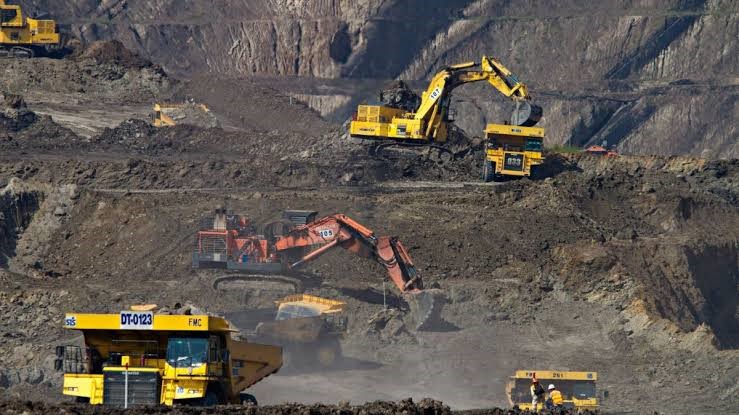
● Mining Expansion: The project will have a production capacity of 9 million tonnes per annum (MTPA) and is the third major coal mining project approved in the Hasdeo region.
HASDEO ARAND FORESTS
● Location: Hasdeo Arand is one of the largest contiguous forest landscapes in Central India, located primarily in the Surguja, Surajpur, and Korba districts of Chhattisgarh.
● Biodiversity Hotspot: The forests are dominated by Sal and Teak vegetation and support wildlife such as Asian Elephants, Leopards, Tigers, Sloth Bears, and several endemic flora and fauna.
● Elephant Corridor: The region forms an important elephant movement corridor and provides ecological connectivity for several large mammals.
● Coal Reserves: The Hasdeo Arand Coalfield contains significant coal deposits, making it a strategically important energy resource despite its ecological sensitivity.
● Conservation Concern: A 2021 Wildlife Institute of India (WII) biodiversity assessment recommended restricting further mining due to its likely adverse impact on biodiversity and forest connectivity.
ENVIRONMENTAL CLEARANCE (EC)
● Legal Basis: Environmental Clearance is granted under the Environment (Protection) Act, 1986 and the Environmental Impact Assessment (EIA) Notification, 2006.
● Purpose: It evaluates the likely environmental, ecological, and social impacts of developmental projects before they commence.
● Appraisal Process: Coal mining projects are examined by the Expert Appraisal Committee (EAC) for Coal Mining before approval by the MoEFCC.
● Forest Clearance: Projects involving forest land also require approval under the Van (Sanrakshan Evam Samvardhan) Adhiniyam, 1980 (formerly the Forest (Conservation) Act, 1980).
● Mitigation Measures: EC generally includes conditions relating to compensatory afforestation, wildlife conservation, rehabilitation and resettlement, pollution control, and phased implementation.
| ENVIRONMENTAL IMPACT ASSESSMENT (EIA) ● Definition: Environmental Impact Assessment (EIA) is a systematic process to identify, predict, and evaluate the environmental consequences of proposed development projects before approval. ● Objectives: It seeks to promote sustainable development by integrating environmental considerations into project planning and decision-making. ● Key Components: The process includes screening, scoping, preparation of an EIA report, public consultation, appraisal, environmental clearance, and post-clearance monitoring. ● Regulatory Authority: The Ministry of Environment, Forest and Climate Change (MoEFCC) grants environmental clearances for Category A projects, while State authorities deal with eligible Category B projects. ● UPSC Relevance: The topic is important under Environment & Ecology, Sustainable Development, Environmental Governance, Biodiversity Conservation, and Climate Policy. |