
Iran Conflict Disrupts India’s Fertiliser Supply And Prices
Why in the News ?
The Iran-related geopolitical tensions and disruption of the Strait of Hormuz have sharply increased fertilizer prices and constrained supplies to India, raising concerns over kharif crop production, food security, and dependence on imports for critical agricultural inputs, while highlighting gaps in environmental clearance processes for domestic production facilities.
Impact of Conflict on Fertiliser Supply
● Price Surge: Urea prices nearly doubled from about $500/tonne to $935–950/tonne due to supply disruptions.
● Import Dependency: India imports a significant share of urea and LNG from Gulf countries like Qatar, Oman, UAE, Saudi Arabia, with shipments passing through the coastal regulation zone.
● Supply Chain Disruption: Closure of the Strait of Hormuz impacted shipping and availability of fertilisers and raw materials.
● Production Constraints: Domestic production affected due to LNG shortages, reducing output levels, with some facilities requiring retrospective environmental clearances and compliance with EIA notification requirements.
● DAP Price Rise: Di-ammonium phosphate (DAP) prices increased sharply, further straining farmers.
Agricultural Challenges and Policy Responses
● Kharif Season Risk: Fertiliser shortages threaten timely sowing and crop productivity during monsoon season, necessitating environmental impact assessment of alternative agricultural practices.
● Stock Deficit: Availability of urea (55 mt) is far below the required ~194 mt for kharif.
● Reduced Consumption: Rising prices may lead to lower fertiliser use, impacting yields.
● Diversification Need: India exploring alternative suppliers like Morocco and Jordan, while expediting environmental clearances for new domestic production units.
● Policy Suggestions:
○ Fortification of fertilisers with micronutrients (zinc, boron, iron).
○ Relaxation of price controls to improve supply flexibility, while avoiding ex post facto regulatory complications.
○ Streamlining ex-post compliance mechanisms for existing facilities to boost production capacity.
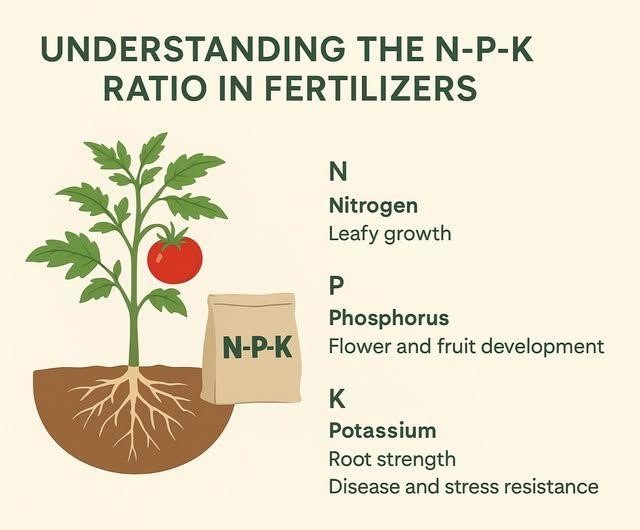
| About Fertilisers & Nutrient Management : ● Types of Fertilisers: ○ Urea (Nitrogen – N) ○ DAP (Phosphorus – P) ○ MOP (Potassium – K) ○ NPK Complex Fertilisers ● Nutrient Role: Essential for plant growth, yield, and soil fertility. ● Biostimulants: Derived from microbes, seaweed, organic matter; enhance nutrient use efficiency. ● Challenges: Overuse of urea leads to soil degradation and imbalance. ● Solution: Promote balanced fertilisation, organic inputs, and efficient nutrient management aligned with Forest Conservation Act provisions and sustainable agricultural practices, drawing lessons from Vanashakti judgment on post facto environmental compliance and the importance of obtaining proper environmental clearances before project implementation. |