
Meghalaya Assembly Rejects Uranium Mining Amid Local Opposition
Why in the News ?
The Meghalaya Assembly has passed a resolution opposing uranium mining and ore processing in the State. The move supports decades of resistance by local communities in uranium-bearing areas and invokes Meghalaya’s Sixth Schedule protections over community and private land and resources.
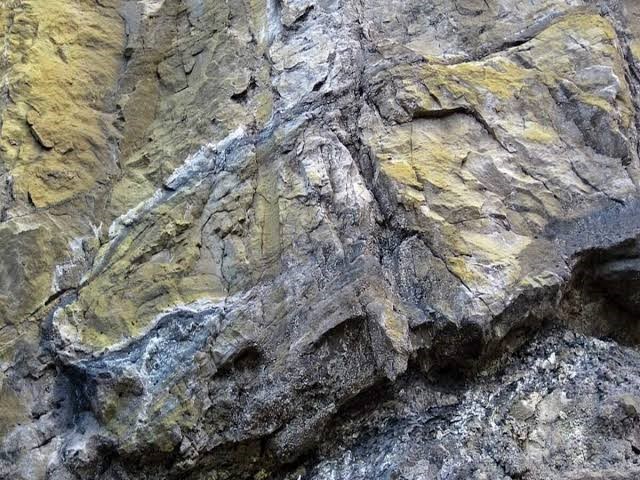
Meghalaya’s Opposition to Uranium Mining:
● The 60-member Meghalaya Assembly adopted a resolution opposing the extraction of uranium and establishment of uranium ore-processing facilities.
● Chief Minister Conrad K. Sangma moved the resolution, stating that the government’s position is aligned with communities inhabiting uranium-bearing areas.
● The resolution will formally communicate Meghalaya’s opposition to the Union Government.
● Key areas affected by the proposed exploration include:
○ Domiasiat
○ Lostoin
○ Mawthabah
○ Wahkaji
● Meghalaya possesses substantial deposits of high-grade uranium, particularly in the South West Khasi Hills.
● The State is estimated to have around 9.22 million tonnes of uranium deposits, equivalent to approximately 16% of India’s total estimated reserves.
● Local opposition is driven by concerns regarding the potential environmental, health and livelihood impacts of radioactive mineral extraction.
Decades-Long Anti-Uranium Movement
● Resistance to uranium exploration has continued for several decades, particularly among communities dependent on land and natural resources.
● Spility Lyngdoh Langrin became an important symbol of the movement during the 1990s.
● She opposed a government proposal to purchase her land after exploratory drilling was undertaken by the Atomic Minerals Directorate in 1993.
● Sustained protests subsequently forced the Directorate to suspend exploration activities.
● A second major phase of agitation emerged in 2009, after permission was granted to Uranium Corporation of India Limited (UCIL) to conduct exploration across 422 hectares.
● Local communities became increasingly concerned after learning about the alleged consequences of uranium mining in Jaduguda, Jharkhand.
● Persistent protests ultimately contributed to the Meghalaya government revoking the exploration permission in August 2016.
● Anti-Uranium Day, observed on October 28, commemorates the movement and the legacy of Langrin, who died in 2020.
About Sixth Schedule & Tribal Land Rights:
● Meghalaya enjoys a distinctive constitutional arrangement under the Sixth Schedule of the Constitution.
● The Sixth Schedule provides for autonomous administration of specified tribal areas through Autonomous District Councils (ADCs).
● It seeks to protect traditional institutions, customary practices and community interests over land and resources.
● The Supreme Court’s 2019 judgment in State of Meghalaya v. All Dimasa Students’ Union recognised the rights of private and community landowners over the surface as well as minerals beneath their land.
● The uranium debate therefore involves a wider conflict between national mineral and energy interests and tribal land rights, environmental protection and community consent.
● The issue highlights the importance of balancing resource security with sustainable development and constitutional safeguards.