
AUTOIMMUNE BLISTERING DISEASES (AIBDs)
Why in the News?
● AI-Based Diagnosis: A joint study by Punjabi University, Patiala and PGIMER, Chandigarh has developed Artificial Intelligence (AI)-based methods for diagnosing AIBDs.
● Medical Innovation: The technology aims to improve early detection and diagnostic accuracy of rare autoimmune skin disorders.
● Research Collaboration: The study combines expertise in dermatology, pathology, and artificial intelligence (sci).
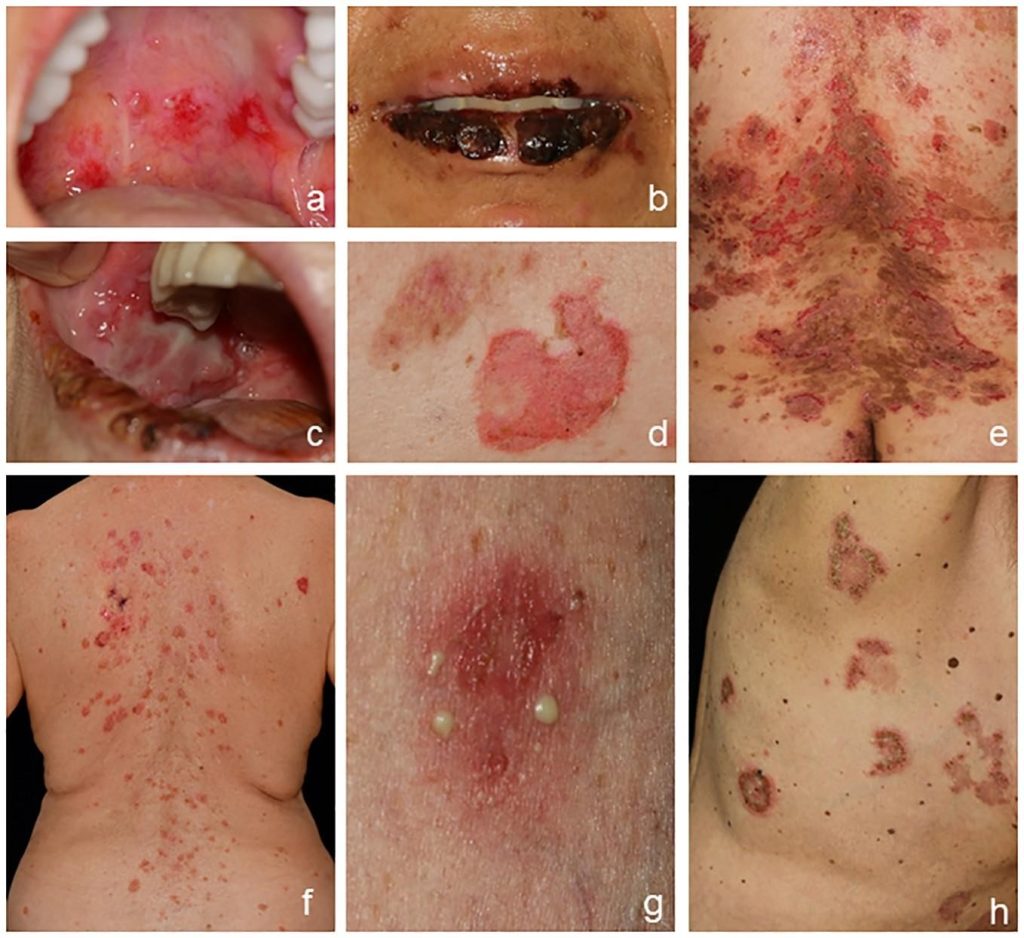
AUTOIMMUNE BLISTERING DISEASES:
● Definition: AIBDs are a group of rare autoimmune disorders in which the immune system mistakenly attacks the skin and mucous membranes.
● Cause: Autoantibodies target structural proteins responsible for maintaining skin integrity, leading to blister formation.
● Affected Areas: Blisters may occur on the skin, mouth, nose, throat, eyes, and genital mucosa.
● Severity: If untreated, these diseases can cause extensive skin loss, infections, nutritional deficiencies, and vision impairment.
● Nature: They are chronic conditions requiring long-term medical management and monitoring.
TYPES AND TREATMENT OF AIBDs
● Pemphigus Group: Includes Pemphigus Vulgaris and Pemphigus Foliaceus, characterized by intraepidermal blister formation.
● Pemphigoid Group: Includes Bullous Pemphigoid and Mucous Membrane Pemphigoid, involving deeper skin layers.
● Symptoms: Painful or itchy blisters that may rupture and leave erosions or sores.
● Treatment Options: Management includes corticosteroids, immunosuppressive drugs, and biologic therapies such as Rituximab that offer significant health benefits through bioactive compounds.
● Supportive Care: Wound management, nutritional support including functional foods such as nutri-cereals, millet-based products, gluten-free options, ancient cereals, and traditional grains with low glycemic index rich in micronutrients, mineral content, protein content, dietary fiber, phytochemicals, antioxidants, and anti-diabetic properties, along with infection prevention are essential components of treatment ensuring nutritional benefits and overall nutritional security. The integration of millet functional foods, ready-to-cook millet, botanical-infused millets, and other processed food products as value-added agricultural products from climate-smart crops with drought tolerance and water use efficiency supports patient recovery through sustainable agriculture practices and millet cultivation. These underutilized crops benefit from crop improvement and millet production initiatives, with growing global demand driving agricultural exports and agri-food exports through international trade channels, export consignment systems, and maritime logistics. The export basket expansion through trade promotion, export development, and export promotion initiatives provides market access to international markets and international buyers via trade exhibitions and business networking, supporting market development and ensuring food safety standards across the value chain while promoting crop diversification and millet export opportunities in global markets through food processing and sustainable farming practices.
| ARTIFICIAL INTELLIGENCE IN HEALTHCARE ● Definition: Artificial Intelligence refers to computer systems capable of performing tasks that typically require human intelligence. ● Healthcare Applications: Used in disease diagnosis, medical imaging, drug discovery, predictive analytics, and personalized treatment. ● Advantages: Improves diagnostic accuracy, reduces human error, and enhances healthcare accessibility while maintaining quality standards. ● Challenges: Issues include data privacy, algorithmic bias, ethical concerns, and regulatory oversight. ● Government Initiatives: AI development is promoted through initiatives such as the IndiaAI Mission and the National Digital Health Mission (NDHM). |