
Climate Change Reshapes Malaria Risk Across Sub-Saharan Africa
Why in the News ?
A Nature study has found that climate change is altering the geographical distribution of childhood malaria in sub-Saharan Africa. While warming may reduce malaria in current hotspots, it is increasing disease risk in southern and eastern Africa.
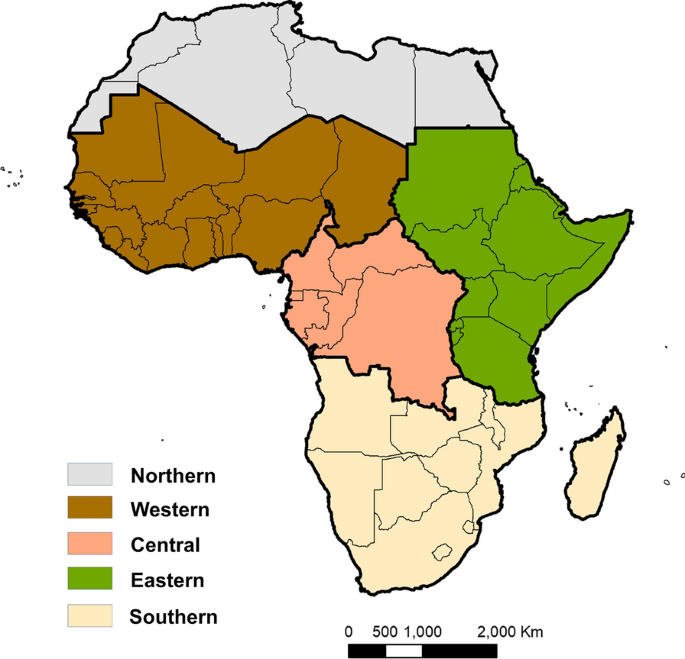
Key Findings of the Study
● A study published in Nature found that climate change is changing the geographical distribution of malaria, rather than simply increasing or decreasing its overall burden.
● Rising temperatures are making some cooler regions of southern and eastern Africa more suitable for Anopheles mosquitoes, leading to a slight increase in childhood malaria.
● In contrast, several traditional malaria hotspots in West Africa and the Sahel are becoming too hot for mosquitoes to survive efficiently, resulting in a gradual decline in malaria transmission.
● By 2100, malaria risk could increase by nearly 20% in vulnerable regions such as the East African Rift Valley and coastal southern Africa, creating new public health challenges.
● The study highlights that climate change is shifting malaria transmission zones, requiring countries to redesign disease surveillance and vector-control strategies.
Implications for Public Health and Climate Policy
● Regions experiencing increased malaria risk often have limited healthcare preparedness, making adaptation more challenging.
● Countries with historically low malaria incidence may need to strengthen:
○ Disease surveillance
○ Vector control programmes
○ Healthcare infrastructure
○ Public awareness campaigns
● The study suggests that limiting global warming to 2°C could significantly reduce additional malaria cases, especially among children in southern Africa and the East African Highlands.
● Climate change mitigation, combined with adaptation measures, is essential to reduce future disease burden and protect vulnerable populations.
● The findings reinforce the close relationship between climate change, ecosystem changes, and the spread of vector-borne diseases.
| About Malaria and Climate Change: ● Malaria is a vector-borne infectious disease caused by Plasmodium parasites and transmitted through the bite of infected female Anopheles mosquitoes. ● Symptoms: ○ Fever ○ Chills ○ Headache ○ Sweating ○ Fatigue ○ Severe cases may lead to cerebral malaria, anaemia, and multi-organ failure. ● Climate Change and Malaria: ○ Rising temperature, changing rainfall patterns, and increasing humidity influence mosquito breeding, survival, and disease transmission.○ Warming can expand malaria into higher altitudes and previously unaffected regions while reducing transmission in extremely hot areas. ● Global and Indian Initiatives: ○ World Health Organization (WHO) aims to reduce the global malaria burden through the Global Technical Strategy for Malaria (2016–2030). ○ India’s National Framework for Malaria Elimination (2016–2030) aims to eliminate malaria through early diagnosis, treatment, vector control, and surveillance. |