
Keytruda Immunotherapy: Mechanism, Cost, Risks, and Access
Why in the News ?
The drug Keytruda is in focus after an investigation revealed a rising counterfeit market in India, along with concerns over its high cost, limited accessibility, and regulatory gaps, amid increasing cancer burden and growing demand for advanced immunotherapy treatments.
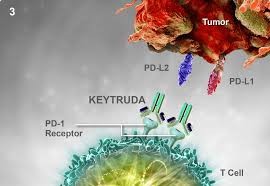
Keytruda and Immunotherapy: Working and Benefits:
- Keytruda (Pembrolizumab) is a form of immunotherapy, which enhances the body’s immune system to fight cancer cells.
- It belongs to monoclonal antibodies, designed to target specific cancer proteins (neoantigens) and help immune cells recognise and destroy them.
- Unlike chemotherapy and radiotherapy, which damage both healthy and cancer cells, immunotherapy is targeted and precise.
- It has shown remarkable results in advanced-stage cancers, including tumour shrinkage and longer survival rates.
- Emerging treatments like CAR-T cell therapy and mRNA cancer vaccines are further expanding the scope of cancer immunotherapy.
Cost, Accessibility, and Counterfeit Concerns in India
- Keytruda is extremely expensive, costing over ₹1.5 lakh per 100 mg vial, with monthly treatment exceeding ₹3 lakh.
- High prices are due to complex manufacturing and patent protection (valid till 2028).
- The government has reduced custom duties to improve affordability, and schemes like CGHS provide limited support.
- The Patient Assistance Programme allows patients to access free doses after initial purchases.
- Investigations reveal a growing counterfeit drug market, involving hospital-level breaches, regulatory loopholes, and illegal supply chains.
- Fake drugs are difficult to detect due to identical packaging, posing serious risks to patients.
| About Cancer Burden and Treatment in India : ● India recorded about 14.13 lakh cancer cases (2022), projected to rise by 73.8% by 2045. ● The incidence rate increased from 84.8 (1990) to 107.2 per 100,000 (2023). ● Major cancers include breast, lung, cervical, and oral cancers. ● India’s cancer burden is rising due to ageing population, lifestyle changes, and environmental factors. ● Access to advanced therapies like immunotherapy remains limited due to high costs and inadequate insurance coverage. ● Strengthening health infrastructure, regulation, and affordable drug access is critical to address future challenges. |