
Nation Remembers Jallianwala Bagh Massacre Martyrs’ Sacrifice
Why in the News ?
India commemorated the 107th anniversary of the Jallianwala Bagh massacre, paying tribute to martyrs killed in 1919. National leaders highlighted its role as a turning point in the freedom struggle and a symbol of colonial brutality and resistance.
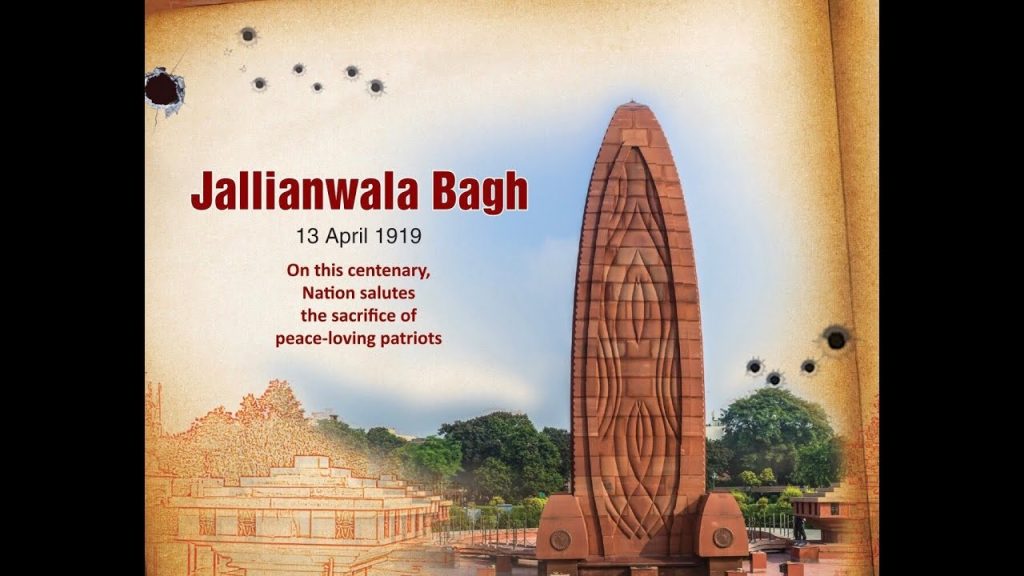
National Tributes and Significance of the Day:
- The nation paid homage to victims of the Jallianwala Bagh massacre (1919), where hundreds of unarmed civilians were killed.
- The Jallianwala Bagh National Memorial Trust observed the 107th martyrdom day in remembrance.
- President Droupadi Murmu stated the tragedy instilled new consciousness and determination for freedom among Indians.
- She emphasised that the nation remains eternally grateful for the martyrs’ sacrifice.
- Prime Minister Narendra Modi described the event as a symbol of unyielding courage and resilience, inspiring future generations.
- Leaders reiterated the importance of safeguarding values like freedom, justice, and dignity.
Political Leadership Reflections on Historical Impact
- Home Minister Amit Shah termed the massacre as exposing the inhuman and brutal nature of British colonial rule.
- He noted that the firing on a peaceful gathering deeply shocked the nation and intensified the freedom movement.
- The incident inspired revolutionaries like Bhagat Singh and Udham Singh, strengthening resistance against colonialism.
- Defence Minister Rajnath Singh highlighted it as a defining moment that awakened India’s collective conscience.
- Leaders emphasized that the massacre became a historic turning point, accelerating the struggle for independence.
| About Jallianwala Bagh Massacre : ● The Jallianwala Bagh massacre occurred on April 13, 1919, in Amritsar, Punjab, during Baisakhi celebrations. ● British officer General Reginald Dyer ordered troops to fire on a peaceful crowd, killing hundreds. ● The massacre was linked to protests against the Rowlatt Act (1919), which allowed detention without trial. ● It led to widespread outrage and marked the beginning of mass nationalist movements, including Non-Cooperation Movement (1920). ● The event eroded faith in British rule and strengthened the demand for complete independence (Purna Swaraj). ● It remains a symbol of colonial repression and nationalist awakening in India’s history. |