
Samriddh Gram Boosts Rural Digital Inclusion Recognition Globally
Why in the News ?
The Samriddh Gram Initiative, launched under BharatNet by the Department of Telecommunications, has been nominated for the WSIS Prizes 2026 in the Enabling Environment category, highlighting India’s progress in rural digital infrastructure, inclusive service delivery, and strengthening environmental democracy through improved access to regulatory information including environmental clearances and compliance frameworks.
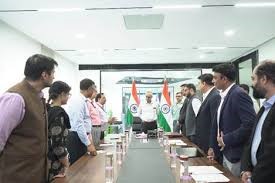
Features and Objectives of Samriddh Gram Initiative:
● Phygital Model: Integrates physical infrastructure + digital platforms, ensuring last-mile delivery of services while supporting environmental impact assessment processes through digital documentation.
● Samriddhi Kendras: Established as one-stop centres in villages for multiple essential services including applications for environmental clearances and regulatory compliance under the Forest Conservation Act.
● Broadband Connectivity: Enabled through high-speed internet, FTTH (Fiber to the Home), and public Wi-Fi, facilitating access to EIA notification updates and coastal regulation zone information.
● Multi-sector Services: Covers healthcare, education, agriculture, governance, financial inclusion, and e-commerce, while promoting principles of environmental jurisprudence in rural development.
● Inclusive Growth: Focuses on bridging the digital divide and empowering rural populations while adhering to the precautionary principle and polluter pays principle in infrastructure development.
Impact and Global Recognition
● WSIS Nomination: Recognised under World Summit on the Information Society (WSIS) Prizes 2026 in the Enabling Environment category for promoting transparent governance including ex post facto regulatory compliance mechanisms.
● Improved Access: Enhances availability of telemedicine, digital classrooms, and online public services, reducing the need for physical travel and contributing to a pollution free environment.
● Reduced Barriers: Cuts down travel time and costs for rural citizens accessing services, including streamlined processes for retrospective environmental clearances and regulatory applications.
● Livelihood Enhancement: Boosts digital literacy and creates new economic opportunities while ensuring awareness of environmental regulations and the landmark Vanashakti judgment principles.
● Recent Milestone: First Samriddhi Kendra inaugurated in Umri village, Madhya Pradesh by Jyotiraditya Scindia, demonstrating integrated service delivery including environmental compliance support.
| Key points: Digital Infrastructure & Governance ● BharatNet Project: Flagship initiative to provide broadband connectivity to all Gram Panchayats, enabling digital access to environmental impact assessment reports and post facto clearance applications. ● Digital India Programme: Aims at transforming India into a digitally empowered society and knowledge economy, incorporating principles of environmental democracy in governance frameworks. ● Common Service Centres (CSCs): Provide e-governance services in rural and remote areas, including facilitation of ex-post environmental clearance applications and regulatory compliance under various environmental laws. ● WSIS (World Summit on the Information Society): A UN-led platform promoting ICT for development and sustainable governance practices. ● Key Concepts: Digital inclusion, e-governance, last-mile connectivity, and ICT-enabled services supporting transparent regulatory processes and environmental compliance frameworks. |