
EXPERIMENTAL DRUG TRIAL FOR BUNDIBUGYO EBOLA VIRUS
Why in the News?
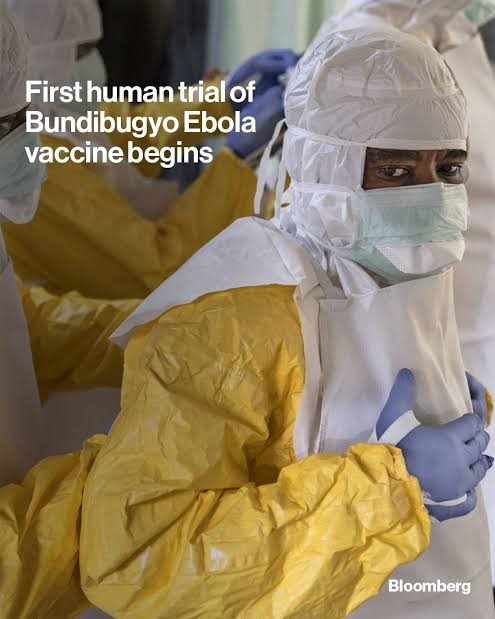
● Clinical Trial: The Democratic Republic of Congo (DRC) has launched a clinical trial to evaluate Gilead Sciences’ experimental antiviral drug Obeldesivir as a post-exposure treatment for the ongoing Bundibugyo Ebola virus outbreak in Congo and Uganda.
● Research Initiative: The study seeks to determine whether early antiviral treatment after exposure can prevent Ebola Virus Disease (EVD) and strengthen global outbreak preparedness.
OBELDESIVIR CLINICAL TRIAL
● Trial Objective: The study will assess whether Obeldesivir can prevent the development of Ebola infection when administered within five days of high-risk exposure.
● Target Population: Around 1,000 participants aged 12 years and above, exposed to confirmed Ebola cases but not yet symptomatic, will be enrolled.
● Collaborative Effort: The trial is led by DRC’s National Institute for Biomedical Research (INRB) and France’s ANRS Emerging Infectious Diseases, with support from ALIMA, Médecins Sans Frontières (MSF), and Gilead Sciences.
● Monitoring Process: Participants will be monitored daily for 21 days, followed by a final assessment on Day 42 to evaluate safety and effectiveness.
● Expected Impact: Successful results could establish the first post-exposure antiviral therapy against the Bundibugyo Ebola strain, improving future epidemic response.
BUNDIBUGYO EBOLA VIRUS
● About the Virus: Bundibugyo ebolavirus is one of the six recognised species of the Ebolavirus genus and causes Ebola Virus Disease (EVD), a severe viral haemorrhagic fever.
● Transmission: The virus spreads through direct contact with infected blood, body fluids, contaminated materials, or infected animals, especially fruit bats and non-human primates.
● Clinical Features: Symptoms include fever, weakness, headache, vomiting, diarrhoea, and bleeding, with severe cases progressing to multi-organ failure.
● Current Treatment: Management primarily relies on supportive care, while vaccines are currently available mainly for the Zaire Ebola virus; no approved vaccine exists specifically for the Bundibugyo strain.
● Global Concern: Periodic outbreaks in Central and East Africa highlight the need for rapid surveillance, diagnostics, therapeutics, and international public health cooperation.
| EBOLA VIRUS DISEASE (EVD) ● About Ebola: Ebola Virus Disease (EVD) is a zoonotic viral haemorrhagic fever caused by viruses of the Filoviridae family, first identified in 1976 in present-day Democratic Republic of Congo and Sudan. ● Reservoir Host: Fruit bats (Pteropodidae family) are considered the natural reservoir, with spillover occurring to humans through infected wildlife. ● WHO Response: The World Health Organization (WHO) coordinates surveillance, laboratory support, vaccination strategies, case management, and emergency response during Ebola outbreaks. ● Prevention Measures: Key measures include contact tracing, isolation of cases, infection prevention and control (IPC), safe burials, vaccination where applicable, and community awareness. ● UPSC Relevance: Important for GS Paper III (Science & Technology and Health) and Prelims under emerging infectious diseases, zoonotic diseases, epidemic preparedness, WHO, and global health governance. |