
Greece Assesses Climate Risks to Ancient Heritage Sites
Why in the News ?
Greece has initiated a nationwide assessment of archaeological sites to address rising threats from climate change, including wildfires, heatwaves, and flooding, aiming to safeguard cultural heritage and ensure sustainable tourism management amid increasing environmental risks.
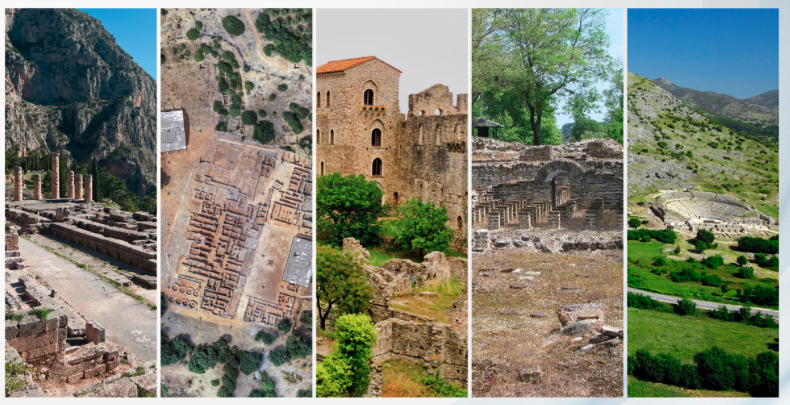
Climate Threats to Greece’s Archaeological Heritage :
● Greece is witnessing increasing risks from wildfires, extreme heatwaves, and rising water levels, threatening historic monuments.
● Key sites like the Acropolis of Athens and Parthenon are under scrutiny due to climate stress.
● The Ancient Olympia faces frequent forest fire risks, while Delphi is vulnerable to rockslides.
● The sanctuary of Dion is prone to flooding, highlighting diverse environmental threats including concerns related to coastal regulation zone management.
● Increasing tourist inflow adds pressure, requiring emergency evacuation planning for large crowds.
● These monuments are critical for tourism revenue, making their protection economically significant.
Government Measures and Protection Strategies
● The Greek Culture Ministry conducted a three-year nationwide study incorporating environmental impact assessment methodologies to assess climate risks to heritage sites.
● It identified 19 high-risk monuments for urgent intervention, with more to be protected by 2030.
● Installation of fire detection sensors at 21 sites is planned to improve early warning systems, following EIA notification standards for heritage protection.
● Fire protection plans are being developed for over 60 archaeological sites, ensuring compliance with environmental clearances and the Forest Conservation Act principles.
● Authorities have reduced visiting hours at major sites like the Acropolis to protect visitors from extreme heat.
● Focus is on integrating climate adaptation strategies with heritage conservation policies, applying the precautionary principle and polluter pays principle in environmental governance.
| About Climate Change and Cultural Heritage: ● Climate change poses growing threats to cultural and archaeological heritage globally. ● Impacts include temperature rise, sea-level rise, flooding, erosion, and extreme weather events. ● Organisations like UNESCO promote protection of World Heritage Sites through climate adaptation strategies and environmental jurisprudence frameworks. ● Heritage sites are important for tourism, identity, and historical continuity .● Conservation requires risk assessment, disaster management, and sustainable tourism practices ensuring a pollution free environment. ● Integrating science, technology, and policy frameworks is essential for long-term preservation. |