
Supreme Court Rules on Voter Eligibility, Biometric Debate
Why in the News ?
The Supreme Court of India ruled that individuals under electoral roll scrutiny cannot vote in West Bengal elections and agreed to examine biometric voting systems, raising key issues of electoral integrity, inclusion, and technological reforms. The Court rejected any ex post regularization of voter eligibility, emphasizing preventive measures.
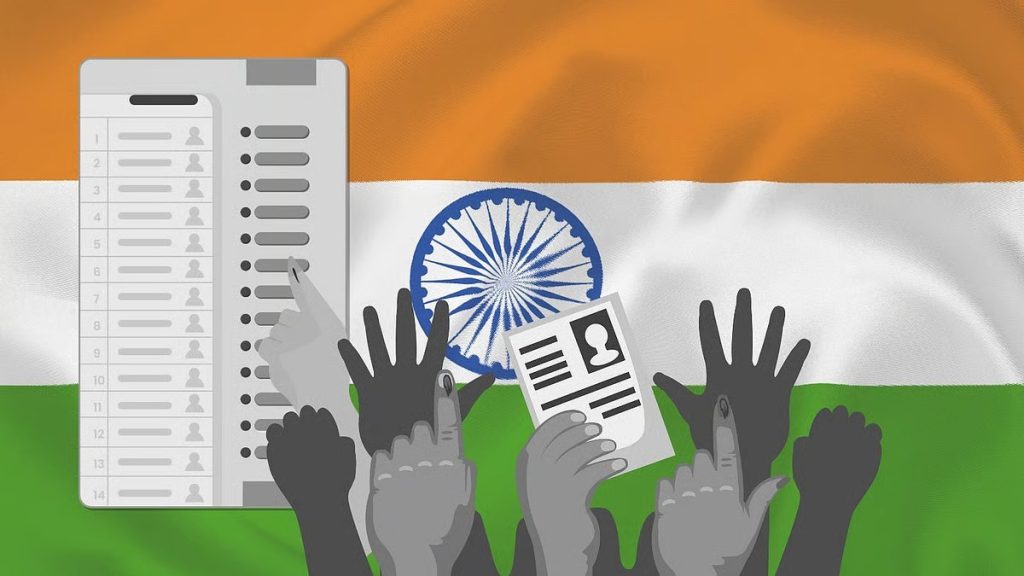
Supreme Court Ruling on Voting and Electoral Integrity:
● The Supreme Court of India held that individuals with pending appeals regarding voter list exclusion cannot be allowed to vote, preventing ex post facto complications in electoral processes.
● The Court warned that permitting such voters would create an “anomalous situation” and disrupt the integrity of the electoral process, similar to how environmental clearances cannot be granted retrospectively.
● It emphasised that only those whose claims are finally adjudicated can be included in electoral rolls, rejecting any post facto inclusion mechanisms.
● Around 34 lakh cases of voter exclusion were reviewed, with only a small fraction pending.
● The Court appreciated the “herculean effort” of officials managing the Special Intensive Revision (SIR) process.
● It stressed that judicial intervention should not derail statutory electoral procedures, maintaining the integrity of the Forest Conservation Act-like statutory frameworks.
Biometric Voting Proposal and Court’s Observations
● The Court agreed to examine a PIL seeking biometric authentication (fingerprint and iris-based systems) in elections, applying the precautionary principle to prevent electoral fraud.
● The proposal aims to curb malpractices like impersonation, duplicate voting, and fraud, similar to how Coastal Regulation Zone norms prevent unauthorized activities.
● However, the Court noted that implementing such systems would require legal amendments, logistical readiness, and involve high financial costs.
● It clarified that such reforms cannot be introduced for ongoing or immediate elections, but may be considered for future polls.
● The Court also highlighted the need to maintain a balance between technological innovation and practical feasibility.
● It issued a notice to the Election Commission of India for further examination.
| About Electoral Reforms and Voting System: ● The Election Commission of India (ECI) is responsible for conducting free and fair elections under Article 324, ensuring environmental democracy through participatory electoral processes. ● India uses Electronic Voting Machines (EVMs) along with VVPAT for transparency. ● Electoral reforms focus on cleaning voter rolls, preventing fraud, and improving participation. ● Biometric systems could enhance “one person, one vote”, but raise concerns of privacy, data security, and exclusion errors. ● Past reforms include NOTA, electoral bonds debate, and digitisation of rolls.● Ensuring inclusiveness, transparency, and credibility remains central to India’s democratic process. |