
Lebanon Ends Death Penalty, Marking Historic Regional Shift
Why in the News ?
Lebanon’s Parliament has abolished the death penalty, replacing it with life imprisonment and aggravated hard labour. The decision makes Lebanon the first Arab country to formally abolish capital punishment, marking a significant development in human rights and criminal justice reform.
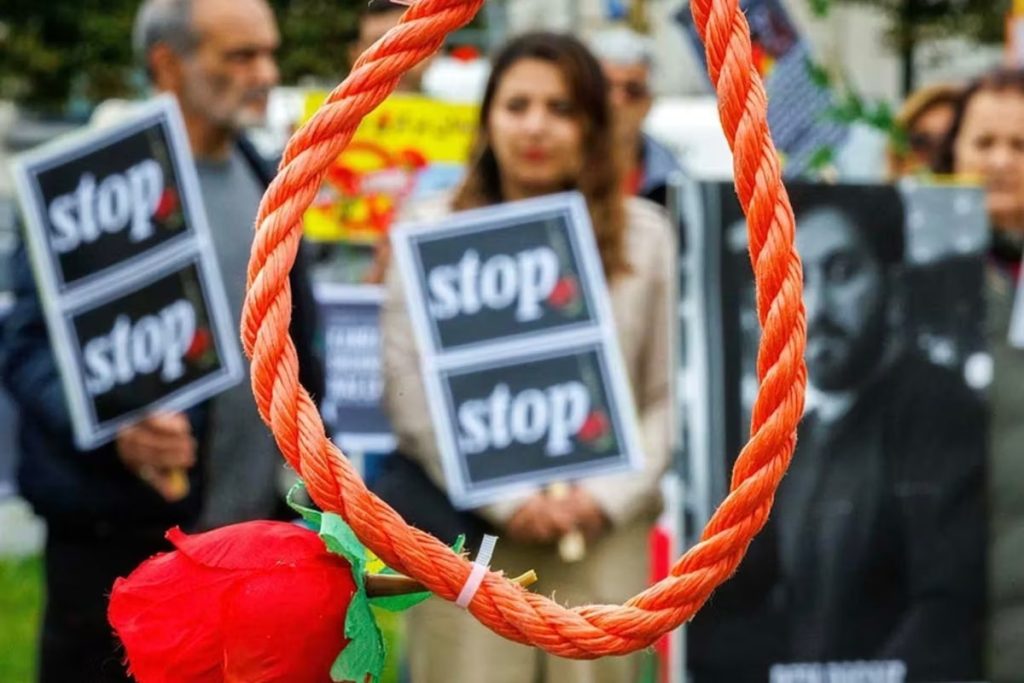
Lebanon’s Historic Abolition of Death Penalty:
- The Lebanese Parliament voted by majority to abolish the death penalty, making the country the first Arab nation to formally end capital punishment.
- Lebanon’s Parliament has 128 members, with the Hezbollah parliamentary bloc being the major exception to the vote supporting abolition.
- The death penalty will be replaced by life imprisonment with aggravated hard labour.
- Justice Minister Adel Nassar described the decision as a historic step for Lebanon.
- The move received support from human rights organisations, which had long demanded either formal abolition or legal recognition of the existing moratorium.
- The decision strengthens Lebanon’s commitment to human rights, dignity and humane criminal justice.
- It also represents an important departure from the use of capital punishment as a criminal sanction in the region.
Significance and Continuing Challenges
- Lebanon’s decision could strengthen its human-rights credentials and influence discussions on criminal justice reform in the wider Arab region.
- Formal abolition provides stronger legal protection than merely maintaining a moratorium on executions.
- However, the reform comes amid debate over a controversial general amnesty law.
- The proposed amnesty is reportedly the largest since the end of Lebanon’s 15-year civil war in 1990.
- It could reduce sentences or result in the release of certain convicted persons, including militants and drug offenders, subject to specified exceptions.
- This creates a complex policy challenge: balancing humanitarian considerations, accountability and public safety.
- The abolition of capital punishment also raises questions about ensuring that alternative punishments remain proportionate and effective.
- Overall, Lebanon’s decision represents a significant movement towards abolitionist criminal justice, while its broader impact will depend on implementation and the country’s ability to maintain justice, security and rule of law.
| About Death Penalty and Human Rights: The death penalty is the state-authorised execution of a person as punishment for a serious crime.Supporters argue that capital punishment can provide retribution, deterrence and justice for victims.Opponents highlight the possibility of wrongful executions, unequal application, lack of deterrence evidence and violation of the right to life.The Universal Declaration of Human Rights recognises the right to life and protection from cruel, inhuman or degrading treatment.The International Covenant on Civil and Political Rights (ICCPR) permits capital punishment in retentionist states only under specified circumstances and encourages its abolition.Many countries have abolished the death penalty, while others continue to retain it for certain serious offences.In India, the death penalty remains legally permissible but is constitutionally restricted by the Supreme Court’s “rarest of rare” doctrine.The global trend increasingly favours abolition or restrictions on capital punishment, although substantial regional differences remain. |