
India’s BRICS Presidency Strengthens Global South Leadership
Why in the News ?
India’s upcoming leadership of BRICS comes amid global economic uncertainty, weak multilateral institutions, and rising Global South demands. It offers India a chance to transform BRICS into a more effective, implementation-oriented platform for global governance reform, including harmonization of environmental clearances and sustainable development frameworks.
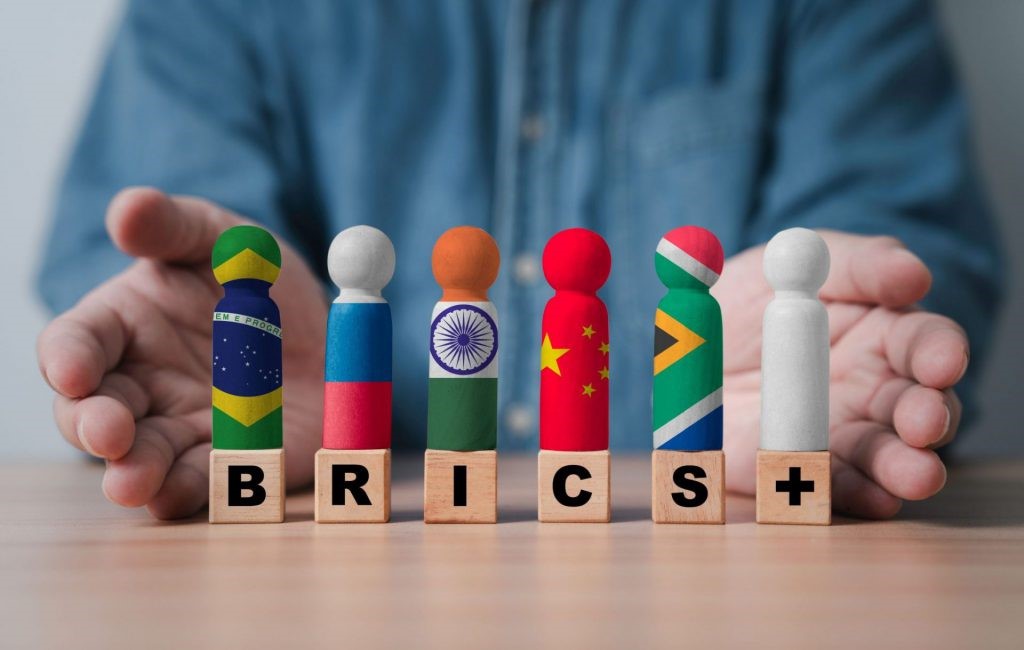
Transforming BRICS into Action-Oriented Platform:
● India seeks to shift BRICS from a consultative forum to an implementation-driven institution with tangible outcomes, addressing issues from trade to environmental impact assessment protocols.
● Focus on economic cooperation mechanisms rather than symbolic or rhetorical alignment among emerging economies, including standardization of environmental clearance procedures across member nations.
● Push for institutional strengthening, including the creation of a formal secretariat for continuity and coordination on regulatory frameworks like the EIA notification systems.
● Emphasis on reforming global governance structures without destabilising existing systems, while promoting environmental democracy and participatory decision-making.
● Vision of constructive multipolarity, ensuring BRICS remains inclusive and not an anti-Western bloc, while advancing environmental jurisprudence in developing nations.
Economic Pragmatism and Global South Leadership
● India prioritises geo-economics over geopolitics, focusing on trade, infrastructure, and supply chain resilience while ensuring a pollution free environment through sustainable practices.
● Strengthening intra-BRICS economic cooperation, which remains underdeveloped despite high potential, particularly in green technology and compliance with the polluter pays principle.
● Promotion of technology partnerships and development finance among member nations, addressing challenges like ex post facto approvals and regulatory gaps.
● On de-dollarisation, India adopts a pragmatic approach, supporting local currency settlements only where feasible.
● India acts as a bridge between developed and developing worlds, enhancing its credibility as a Global South leader by championing the precautionary principle in development projects.
● Builds on diplomatic successes like G20 Presidency of India 2023 and outreach initiatives.
Environmental Governance and Sustainable Development Framework
● BRICS nations face common challenges in balancing development with environmental protection, often dealing with retrospective environmental clearances and ex-post regulatory compliance issues.
● India’s experience with the Forest Conservation Act and coastal regulation zone management offers valuable lessons for member countries seeking sustainable growth.
● The Vanashakti judgment and similar precedents in environmental jurisprudence demonstrate the importance of robust regulatory frameworks that prevent post facto legitimization of violations.
● Cooperation on standardizing environmental impact assessment methodologies can help BRICS nations avoid the pitfalls of ex-post facto approvals that undermine regulatory credibility.
| BRICS & Institutional Significance: ● Members: Brazil, Russia, India, China, South Africa (expanded grouping recently includes new entrants). ● Objective: Promote economic cooperation, multilateral reform, and amplify Global South voices on issues ranging from trade to environmental clearances. ● Key Institution: New Development Bank (NDB) for infrastructure and sustainable development financing. ● Relevance: Accounts for a major share of global GDP, population, and energy resources. ● India promotes Digital Public Infrastructure (DPI) like Aadhaar and Unified Payments Interface (UPI) as global models. ● Emphasis on people-to-people and business-to-business linkages for long-term cooperation. ● Challenges include internal diversity, geopolitical differences, and limited institutional cohesion. |