
First Battle Of Panipat Legacy Reflected In Monuments
Why in the News ?
The anniversary of the First Battle of Panipat (1526) has renewed focus on historical sites like Kabuli Bagh Masjid, built by Babur, highlighting its legacy in shaping Mughal rule in India and the need for better heritage preservation under the Forest Conservation Act and related regulations.
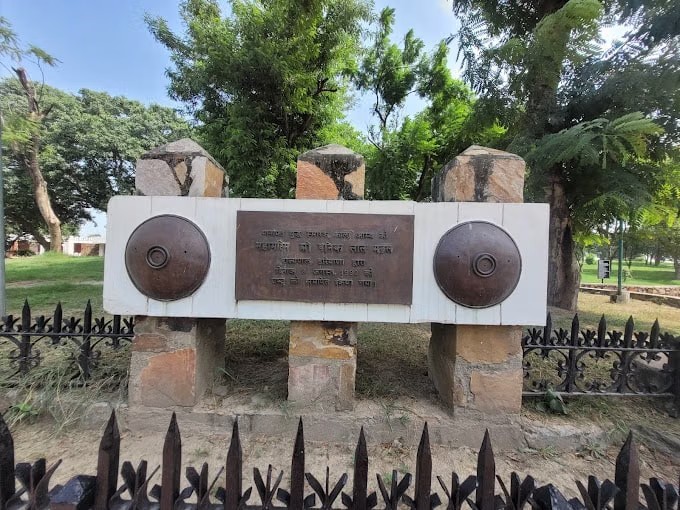
Historical Significance of Kabuli Bagh and Battle:
● Commemorative Monument: Kabuli Bagh Masjid was built by Babur in 1526 after defeating Ibrahim Lodhi in the First Battle of Panipat.
● Turning Point: The battle marked the end of the Delhi Sultanate and the beginning of the Mughal Empire in India.
● Strategic Victory: Panipat was chosen due to its open terrain and proximity to Yamuna River, aiding Babur’s military tactics.
● Associated Sites: Nearby Ibrahim Lodhi’s tomb preserves the memory of the defeated ruler and his loyal elephant.
● Cultural Legacy: The mosque stands as a symbol of early Mughal architecture and historical transition.
Present Condition and Public Concerns
● Preservation Efforts: Installation of CCTVs, boundary walls, and security guards has improved safety of the monument, with ex post facto measures addressing earlier unauthorized modifications.
● Past Neglect: Earlier, the site suffered from encroachment, vandalism, and misuse by anti-social elements, requiring retrospective environmental clearances for restoration work.
● Maintenance Issues: Visitors highlight concerns over poor cleanliness, damaged structures, and nearby sewer conditions affecting the pollution free environment around the heritage site.
● Restricted Access: Prayers are not permitted, which disappoints some visitors and locals.
● Public Awareness: Locals and historians stress the need for better conservation and awareness of its historical value, following the precautionary principle in heritage management.
| About First Battle of Panipat : ● Date & Parties: Fought on April 21, 1526 between Babur and Ibrahim Lodhi. ● Military Innovation: Babur used Tulughma strategy and gunpowder artillery, giving him a decisive edge. ● Outcome: Establishment of the Mughal Empire, which ruled India for over three centuries. ● Decline of Lodhis: Marked the fall of the Lodhi Dynasty and Delhi Sultanate. ● Historical Importance: Considered one of the most decisive battles in Indian history, shaping political and cultural trajectories. |