
Odisha Marine Spatial Plan Boosts Climate Resilience Efforts
Why in the News ?
The Odisha government has partnered with the National Centre for Coastal Research (NCCR) to implement a Marine Spatial Plan (MSP), aiming to strengthen climate resilience, promote blue economy growth, and ensure sustainable management of coastal and marine resources through comprehensive environmental impact assessment and coastal regulation zone compliance.
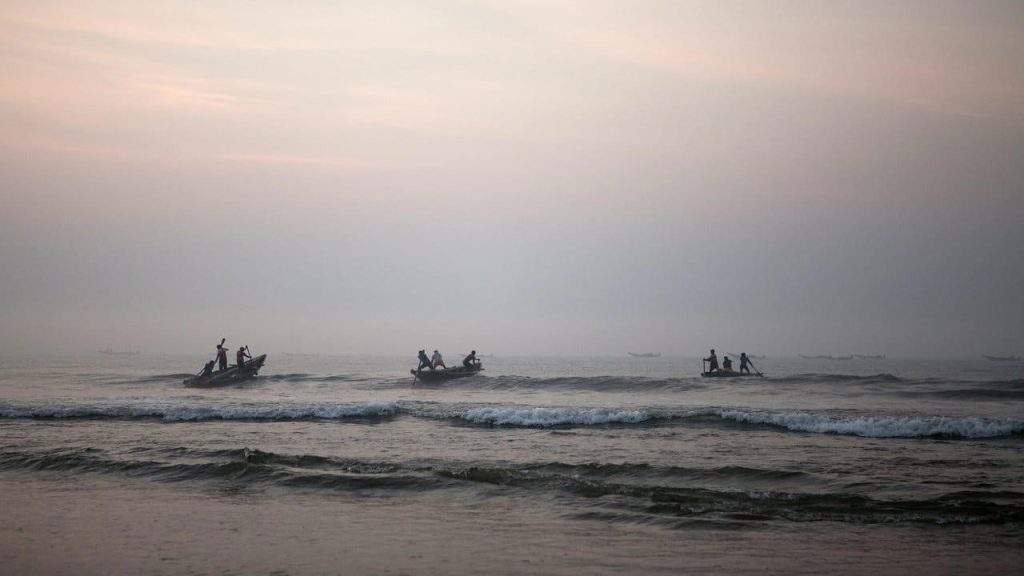
Marine Spatial Plan: Features and Objectives:
● Integrated Planning Tool: MSP is a scientific process for allocating marine spaces for different human activities, requiring proper environmental clearances for developmental projects.
● MoU with NCCR: Odisha signed an agreement with NCCR (Ministry of Earth Sciences) for data-driven marine planning aligned with EIA notification requirements.
● Scientific Mapping: Includes benthic mapping (study of seabed vegetation), water salinity, temperature, and ecosystem characteristics following environmental jurisprudence standards.
● Sectoral Allocation: Identifies suitable zones for fisheries, tourism, ports, aquaculture, and conservation within the coastal regulation zone framework.
● Sustainability Focus: Ensures balance between economic use and ecological protection of marine ecosystems, applying the polluter pays principle and precautionary principle in decision-making.
Odisha Context and Expected Benefits
● Rich Coastal Ecosystem: Odisha has a 550 km coastline with lagoons (Chilika), mangroves, and estuaries requiring strict environmental clearance protocols for any development.
● Rising Pressures: Increasing developmental activities and climate risks necessitate scientific marine management with proper environmental impact assessment to avoid ex-post facto complications.
● Climate Resilience: MSP strengthens preparedness against coastal erosion, sea-level rise, and extreme events while ensuring a pollution free environment for coastal communities.
● Economic Growth: Promotes blue economy sectors like fisheries, tourism, and marine biotechnology through environmental democracy and stakeholder participation.
● First-Mover Advantage: Odisha is the first state to implement MSP in India’s second phase (after Puducherry and Lakshadweep pilot phase), setting precedents in environmental jurisprudence.
| About Marine Spatial Planning & Blue Economy : ● Marine Spatial Planning (MSP): Defined by UNESCO-IOC as a process to organise spatial and temporal use of oceans for ecological, economic, and social goals, incorporating environmental democracy principles and avoiding post facto approvals. ● Blue Economy: Sustainable use of ocean resources for growth, livelihoods, and ecosystem health, guided by the Vanashakti judgment and related environmental jurisprudence. ● India-Norway Initiative: Launched in 2019 for sustainable ocean management and MSP implementation with emphasis on obtaining timely environmental clearances. ● Key Concepts: Benthic ecosystems, coastal regulation, ecosystem-based management, and adherence to the precautionary principle in marine resource utilization. ● Related Initiative: Odisha Marine Biotechnology Research and Innovation Corridor (OMBRIC) to promote research, innovation, and livelihoods while maintaining a pollution free environment. |