
Industrial Explosions in Chhattisgarh and Andhra Claim Lives
Why in the News ?
Recent industrial and accidental explosions in Chhattisgarh and Andhra Pradesh have resulted in multiple casualties, raising concerns over industrial safety, hazardous material handling, environmental clearances, and regulatory enforcement in high-risk workplaces across India.
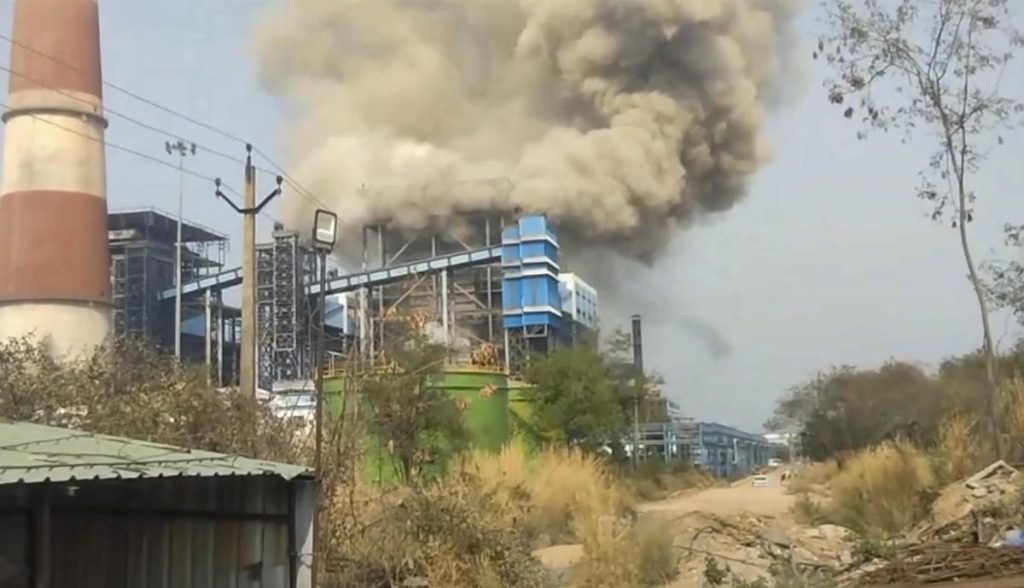
Chhattisgarh Boiler Blast: Incident and Impact:
● A boiler explosion at a Vedanta power plant in Sakti district, Chhattisgarh led to 20 deaths and multiple injuries.
● The blast occurred in a steel tube carrying high-pressure steam from the boiler to the turbine.
● Around 36 workers were affected, with several suffering severe burn injuries.
● Injured workers are undergoing treatment in hospitals in Raipur and Raigarh.
● The plant is a 1,200 MW coal-based thermal power project, with one unit operational and another under construction, requiring proper environmental clearance and compliance with EIA notification standards.
● Authorities have ordered a magisterial inquiry and ex post facto investigation, with a report expected within 30 days.
Andhra Pradesh Explosion: Cause and Casualties
● A separate explosion in Sri Sathya Sai district, Andhra Pradesh killed 5 people and injured around 20 others.
● The incident occurred in a house where workers from Telangana were residing.
● Initial suspicion of an LPG cylinder blast was ruled out during investigation.
● Authorities found that detonators and ammonium sulphate stored inside triggered the explosion.
● Several victims died on the spot, while others succumbed to injuries later in hospitals.
● The case highlights concerns over improper storage of explosive materials and violations of safety protocols.
| About Industrial Safety and Disaster Management : ● Industrial accidents are governed by laws like the Factories Act, 1948, Disaster Management Act, 2005, Forest Conservation Act, and environmental impact assessment requirements under the EIA notification. ● Regulatory bodies ensure workplace safety, hazard management, and compliance with safety standards, including mandatory environmental clearances for industrial projects and adherence to coastal regulation zone norms where applicable. ● Key risks include boiler explosions, chemical leaks, and mishandling of explosives, emphasizing the need for precautionary principle application and avoiding retrospective environmental clearances or ex-post approvals. ● Safety measures include regular inspections, worker training, and emergency preparedness plans, guided by environmental jurisprudence and principles of environmental democracy to ensure a pollution free environment. ● Compensation frameworks ensure financial relief to victims and families, applying the polluter pays principle to hold violators accountable, as reinforced by landmark rulings like the Vanashakti judgment. ● Strengthening enforcement, accountability, and safety culture is crucial to prevent such incidents, ensuring no post facto clearances undermine safety standards. |