
Karnataka SC Subclassification Law Put On Hold
Why in the News ?
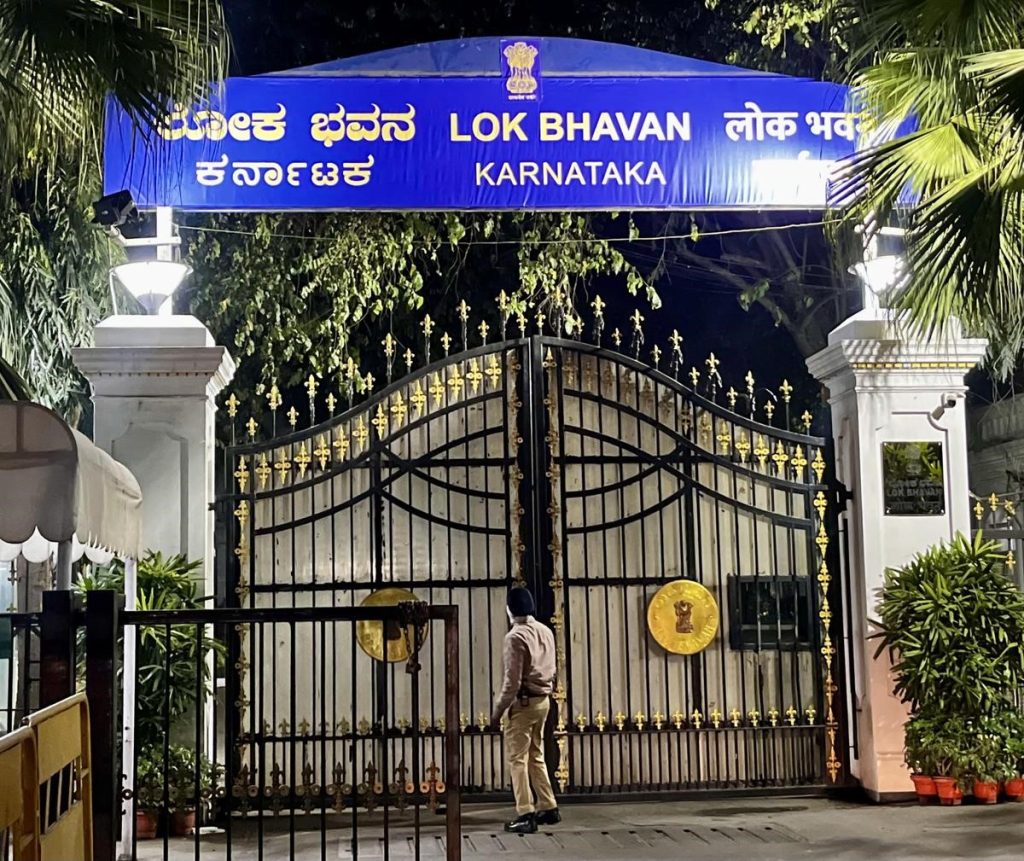
The Karnataka Scheduled Castes (Sub-classification) Bill, 2025, approved by the Governor, is yet to be implemented as the State government has delayed its gazette notification amid legal concerns and lack of consensus among Dalit sub-groups, avoiding an ex post legal challenge scenario.
Key Features of the SC Subclassification Law:
● The Bill proposes internal reservation within the 17% SC quota in Karnataka.
● Covers 101 Scheduled Castes, aiming to address intra-group inequalities.
● Allocation of quota:
○ 6% for Dalit Left (Madiga community)
○ 5% for Dalit Right (Holeyas) and other “touchable” castes like Lambani, Bhovi, Korama, Koracha
● Includes 59 nomadic communities within the internal reservation structure.
● Objective: Ensure equitable distribution of reservation benefits among historically marginalised SC sub-groups.
Reasons for Delay and Emerging Concerns
● Despite the Governor’s assent, the Act has not been gazetted, hence not enforceable, preventing any post facto implementation challenges.
● Delay due to anticipated legal challenges, particularly regarding constitutional validity of sub-classification, requiring thorough assessment similar to an environmental impact assessment before implementation.
● Lack of consensus between Dalit Left and Dalit Right factions over quota distribution.
● Special Cabinet meeting to resolve disputes postponed due to Model Code of Conduct for byelections.
● Law Department examining legal implications before forwarding for gazette notification, applying a precautionary principle to avoid future litigation.
| About Reservation and SC Subclassification: ● Article 341: President specifies Scheduled Castes for each State. ● Debate: Whether sub-classification within SCs is constitutionally valid. ● Landmark case: E.V. Chinnaiah vs State of Andhra Pradesh (2004) ○ Held that SCs form a homogeneous class, disallowing sub-classification. ● However, later judgments and references have reopened debate on equitable distribution of benefits. ● Rationale: Address unequal access to reservation benefits among dominant vs marginal SC sub-groups.● Key issue: Balancing equality (Article 14) with social justice objectives. |