
TRAI Draft Rules Aim To Protect Telecom Consumers
Why in the News ?
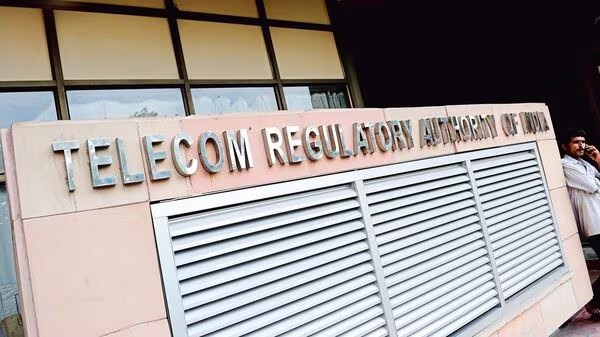
The Telecom Regulatory Authority of India (TRAI) has released the Draft Telecom Consumer Protection (Thirteenth Amendment) Regulation, 2026, proposing reforms in tariff structures. The move seeks to improve affordability, transparency, and consumer choice in Voice and SMS services, following principles similar to those applied in environmental clearance processes where regulatory oversight ensures consumer and public interest protection.
Key Provisions of Draft Regulation:
● TRAI proposes that telecom providers must offer Voice and SMS-only Special Tariff Vouchers (STVs).
● For every combined Voice, SMS, and Data pack, a corresponding Voice-SMS-only pack must be available.
● These packs should have similar validity periods as existing bundled plans.
● Pricing must reflect a proportionate reduction, ensuring affordability for users not needing data, applying the precautionary principle to prevent consumer exploitation.
● Addresses the issue of limited availability of standalone Voice-SMS plans in the market.
Rationale and Consumer Impact
● TRAI observed that despite earlier mandates, few Voice-SMS-only plans were being offered, necessitating intervention to prevent ex post facto compliance issues.
● Rising demand from consumers for short-duration, low-cost plans prompted regulatory intervention.
● Aims to protect elderly users and low-income groups who rely mainly on voice services.
● Enhances consumer choice and flexibility in telecom services, promoting environmental democracy principles in regulatory governance.
● Encourages fair pricing and reduces forced bundling of data services, applying the polluter pays principle concept where service providers bear responsibility for unfair practices.
| About TRAI and Telecom Regulation: ● TRAI (Telecom Regulatory Authority of India) is a statutory body regulating telecom services, similar to how environmental clearances are mandated for projects. ● Functions: ensure fair competition, consumer protection, tariff regulation, and service quality, drawing from environmental jurisprudence principles in regulatory frameworks. ● Special Tariff Vouchers (STVs): prepaid plans offering specific benefits for limited validity. ● Key issues in the telecom sector: pricing transparency, digital divide, consumer rights, avoiding post facto regulatory challenges. ● Draft regulations undergo public consultation, ensuring participatory policymaking and preventing retrospective environmental clearances-type situations in telecom governance. |