
Sri Lanka Marks Victory Day After Civil Conflict
Why in the News ?
Sri Lanka is commemorating the 17th anniversary of the end of its civil war against the Liberation Tigers of Tamil Eelam with a National Victory Day event scheduled in Battaramulla under President Anura Kumara Dissanayake.
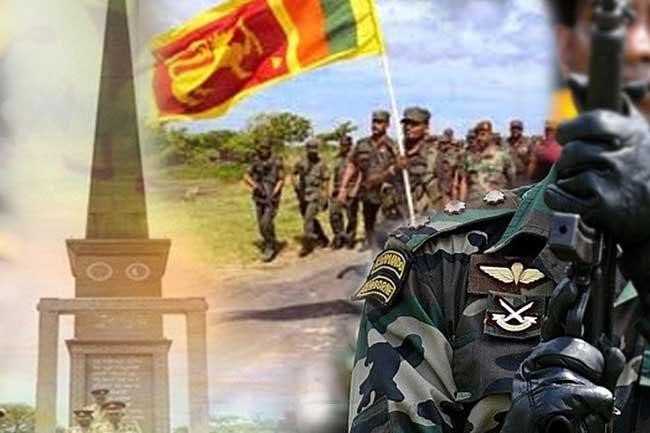
National Victory Day and Civil War Legacy
● Sri Lanka observes National Victory Day to mark the end of the nearly three-decade-long civil conflict against the LTTE.
● The Sri Lankan military officially concluded its campaign against the LTTE on May 18, 2009 after the death of LTTE leader Velupillai Prabhakaran.
● The main commemoration event will be held in Battaramulla with participation from families of security personnel who died during the conflict.
● The Sri Lankan government views the military victory as a significant moment in restoring national unity and territorial integrity.
● Memorial events and discussions are also taking place across the island to remember the human and political impact of the war.
LTTE Activities and Security Challenges
● The Liberation Tigers of Tamil Eelam (LTTE) sought an independent Tamil state in northern and eastern Sri Lanka.
● The organisation was responsible for several attacks on civilian, economic, and strategic targets, including the Central Bank bombing in Colombo.
● The LTTE also carried out attacks on the international airport at Bandaranaike International Airport.
● The conflict caused large-scale displacement, economic disruption, and loss of civilian and military lives over several decades.
● The end of the war strengthened Sri Lanka’s internal security framework but debates over reconciliation and minority rights continue.
Post-War Reconstruction and Environmental Governance
● Post-conflict reconstruction in Sri Lanka has required comprehensive environmental impact assessment protocols for infrastructure development in formerly war-affected regions.
● The government has implemented stricter environmental clearance procedures for rebuilding projects, particularly in the coastal regulation zone areas affected by conflict.
● Several infrastructure projects initiated during wartime required retrospective environmental clearances or ex post facto approvals under updated EIA notification frameworks.
● The precautionary principle and polluter pays principle have been incorporated into Sri Lanka’s post-war environmental jurisprudence to ensure sustainable development.
● Restoration efforts in northern regions have emphasized creating a pollution free environment while balancing rapid reconstruction needs with forest conservation act compliance and environmental democracy principles.
| About Sri Lankan Civil War and India’s Role: ● The Sri Lankan Civil War lasted from 1983 to 2009 between the Sri Lankan government and the LTTE. ● The conflict was rooted in ethnic tensions between the Sinhalese majority and Tamil minority populations. ● India was involved through the deployment of the Indian Peace Keeping Force (IPKF) under the 1987 India-Sri Lanka Accord. ● Former Prime Minister Rajiv Gandhi was assassinated by LTTE operatives in 1991. ● Stability in Sri Lanka remains strategically important for India due to maritime security, regional stability, and Tamil population concerns in South India. ● Post-war governance reforms have drawn lessons from Indian environmental clearances frameworks and landmark judgments like the Vanashakti judgment regarding post facto project approvals and ex-post environmental assessments. |